
Hair transplant · Hairmed
AFRO FUE
Afro FUE hair restoration addresses the specific needs of patients of African or Afro-Caribbean heritage seeking to regain hair density or address thinning areas. The curved, spiral structure of Afro-textured hair presents unique technical demands that require specialized expertise and adapted extraction methods.
Before you travel
At a glance
- Convalescence
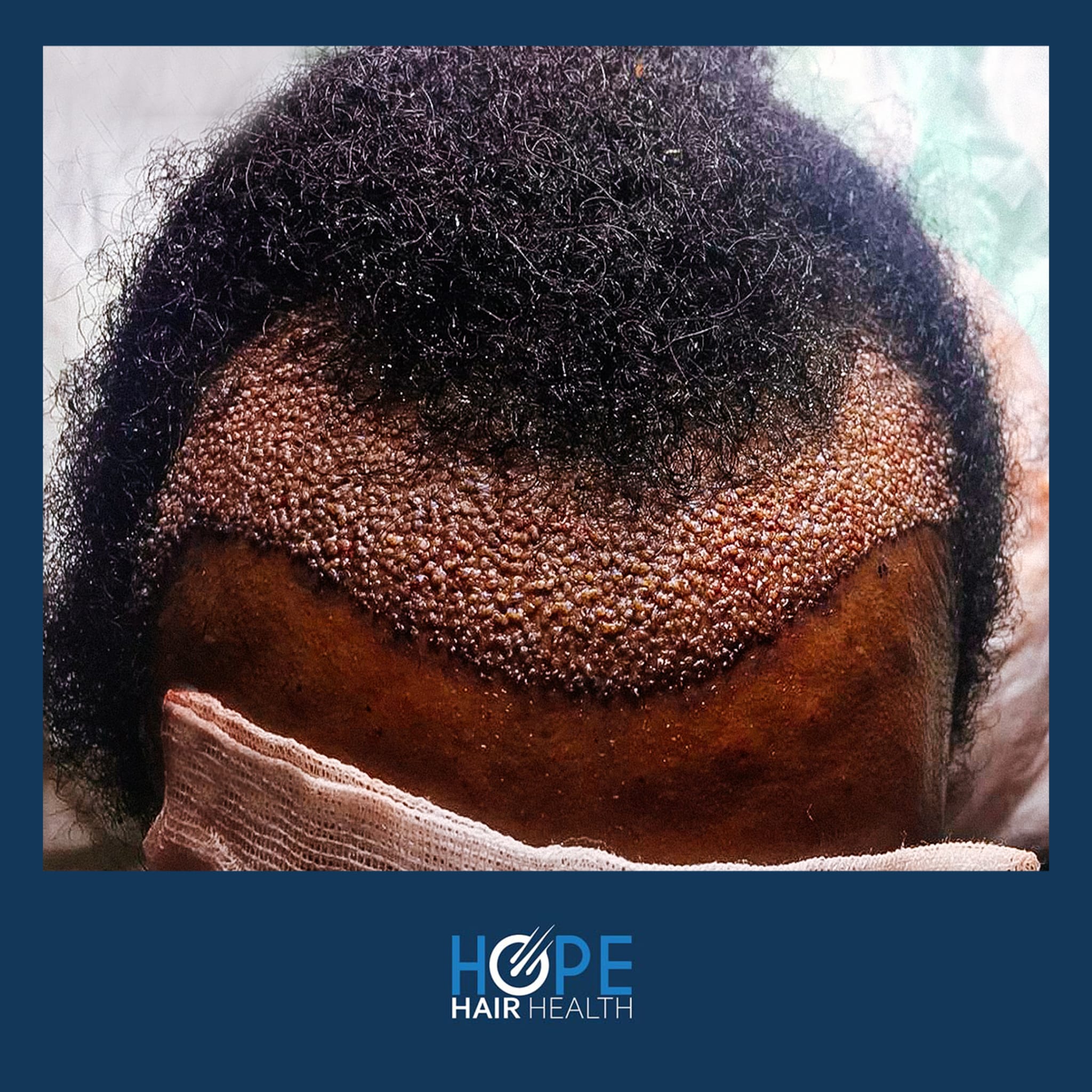
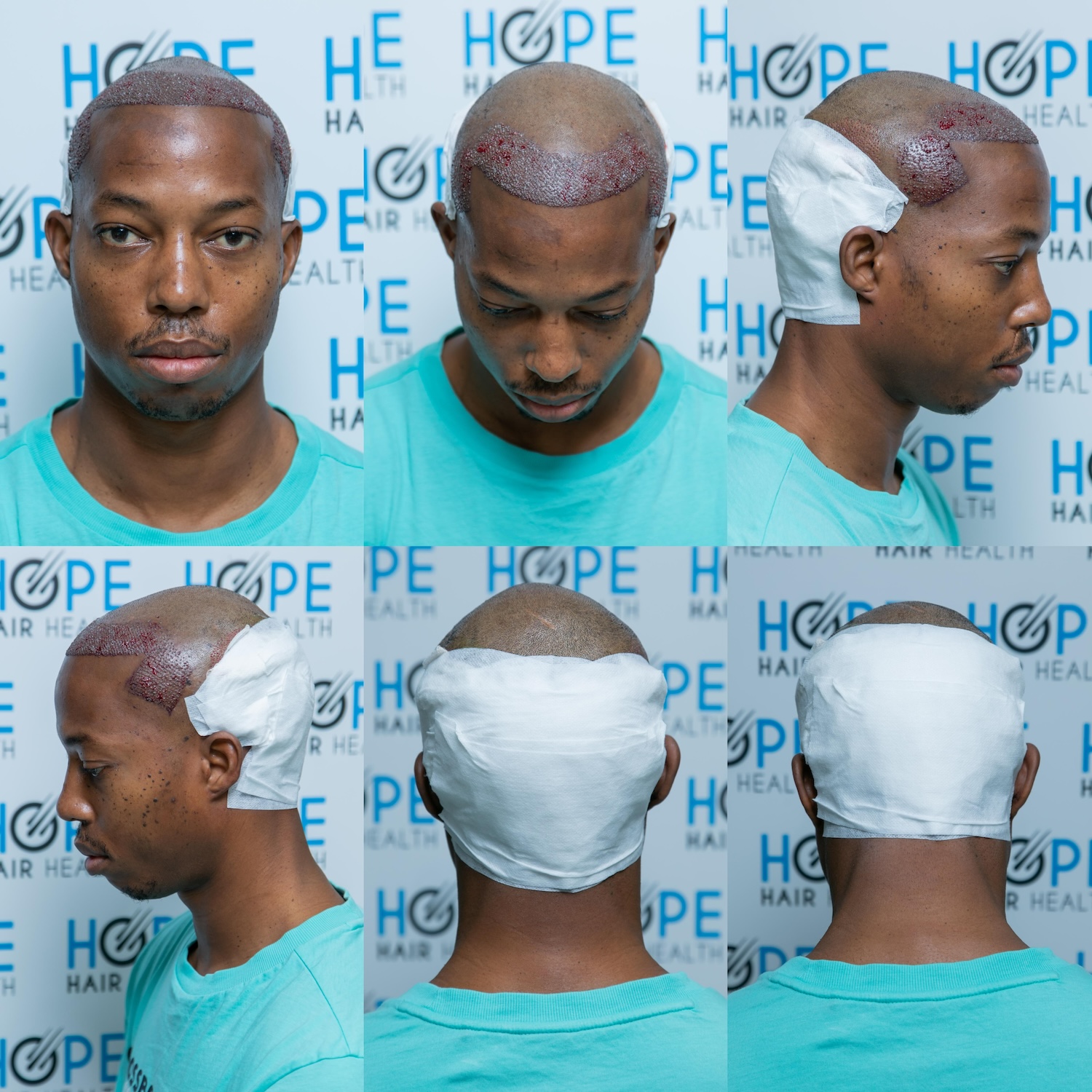
- Recovery follows the same timeline as standard FUE procedures: Crusts develop and naturally shed within approximately 15 days. Visible signs of the procedure are nearly gone after 15 days. Swelling may appear between days 3 and 5 post-procedure. Transplanted hair sheds after 1 to 2 months, with 10 to 15% beginning regrowth from month 3 onward, continuing progressively each month. Full regrowth unfolds over 12 to 15 months before the final result is achieved.
- Results
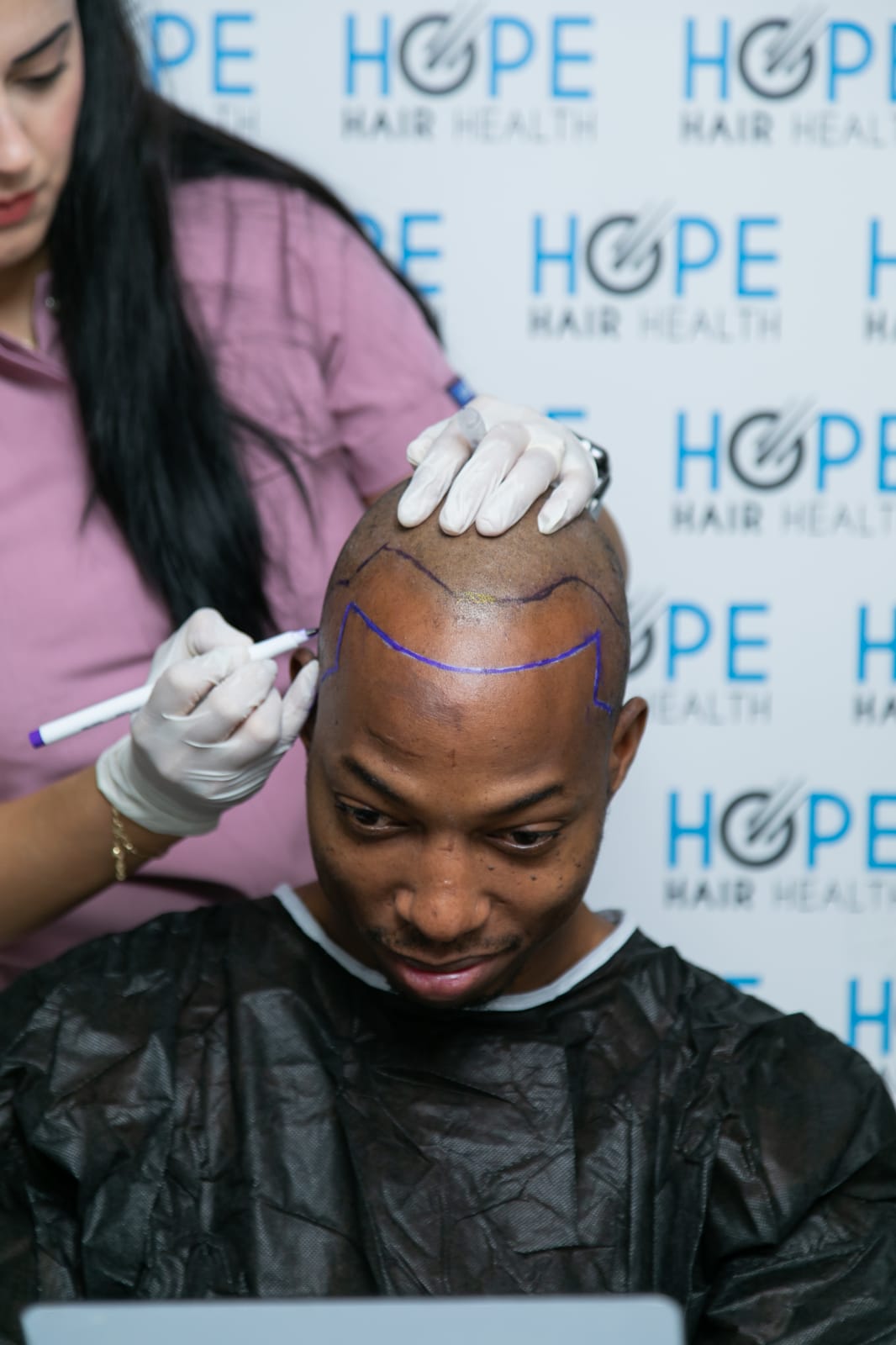
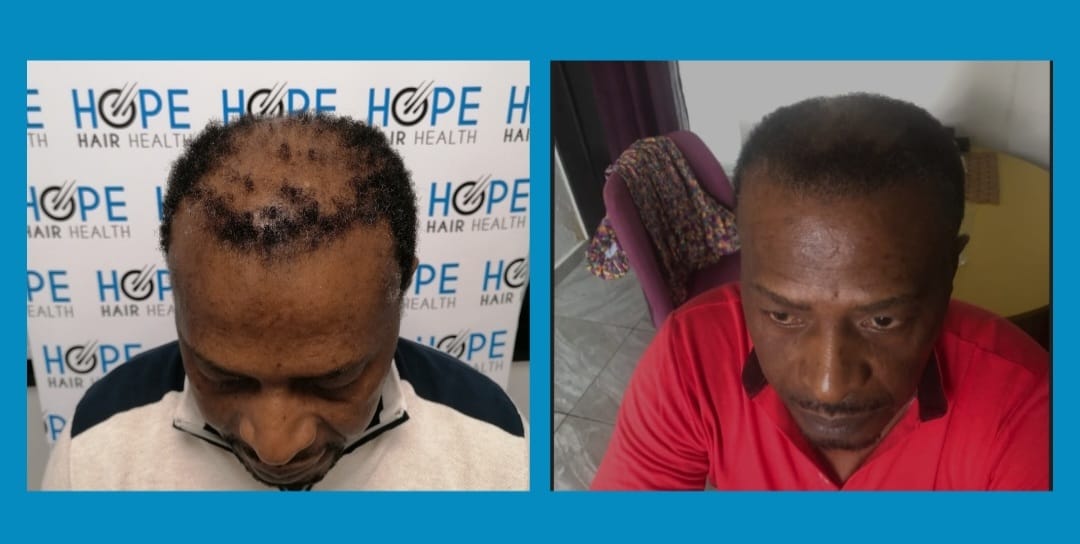
- When performed by a specialist, Afro FUE can deliver satisfying outcomes. Transplanted hair grows naturally, creating improved density and filling thinning areas. Individual results vary, but with proper planning and a surgeon experienced in ethnic hair, aesthetically pleasing restoration is achievable. Essential Considerations To optimize success and minimize risks in Afro FUE hair transplantation: Select a surgeon with demonstrated expertise specifically in Afro FUE procedures and ethnic hair restoration. Discuss your goals and expected outcomes thoroughly during your initial consultation. Confirm you are in good general health before proceeding with the transplant. Adhere carefully to all post-operative care instructions provided by your surgeon to support optimal healing. Afro FUE hair transplantation is a technically demanding procedure requiring specialized training due to the distinctive characteristics of Afro-textured hair. With a qualified surgeon and appropriate precautions, patients can achieve natural, satisfying results.
Le traitement
What this treatment involves
The FUE method offers a minimally invasive approach to hair restoration, extracting individual follicles without leaving a linear scar. For Afro hair, the procedure demands exceptional skill because the follicles curve beneath the skin, making extraction significantly more challenging than with straight hair types.
What Makes Afro Hair Different
Afro-textured hair grows in a spiral pattern, with thicker, coiled strands that are inherently more delicate. These structural qualities require modified techniques during transplantation to avoid damaging the follicles during extraction.
Limited Global Availability
Only a small number of surgeons worldwide have developed proficiency in Afro FUE. The primary difficulty lies in the extraction phase: successfully removing the entire curved follicle intact demands considerable experience and a modified approach compared to standard FUE.
The Afro FUE Approach
Photo credit: https://www.belgraviacentre.com/blog/hair-types-and-race-differences
This specialized variant of FUE adapts the extraction process to accommodate the curvature and texture of Afro hair. Follicles are harvested individually from the donor region and placed into recipient sites, but the curved root structure requires greater precision and specialized tools to prevent transection.
Extraction Techniques for Ethnic Hair
Surgeons employ various methods to successfully harvest Afro follicles. The extraction protocol differs from standard FUE, with some practitioners using three-stage isolation techniques or modified punch sizes and shapes designed specifically for curved follicles.
The implantation stage follows established FUE principles:
Custom and Sapphire blades create extremely fine incisions that allow precise follicle placement at high density while preserving a natural appearance. These specialized instruments produce the smallest, most closely spaced recipient sites available in modern hair restoration.
In the donor area, FUE extraction leaves tiny circular scars that are nearly invisible to the naked eye, permitting very short hairstyles without visible evidence of the procedure.
Important note: All hair transplant methods, including FUE, produce micro-scars. Completely invisible grafting does not exist—patients should distinguish between clinical reality and marketing claims.
Caucasian Versus Afro Hair Structure
Caucasian hair under a microscope: Photo credit: https://www.microscopeworld.com/p-3349-hair-analysis-under-the-microscope.aspx
Straight hair allows the follicle to be isolated along a predictable path with minimal risk of transection when performed correctly. An experienced surgeon can extract follicles efficiently and continuously throughout the donor region.
Afro hair under a microscope
Even under magnification, the twisting pattern of Afro hair is evident. This external curvature reflects the follicle's curved path beneath the skin. Extracting an Afro follicle carries substantially higher transection risk. The process cannot be rushed—each extraction requires careful monitoring and adjustment to follow the follicle's curve and preserve its integrity.
Technical Challenges
Afro FUE presents several specific challenges:
- The curved follicle path demands precise angle adjustment during extraction to avoid severing the bulb.
- Lower natural density in Afro hair requires strategic planning to achieve natural coverage and aesthetic results.
- Healing characteristics may differ in patients of African origin, requiring tailored post-operative protocols to reduce complication risks.
Compare destinations
Prices by destination
Patient results
Before / after